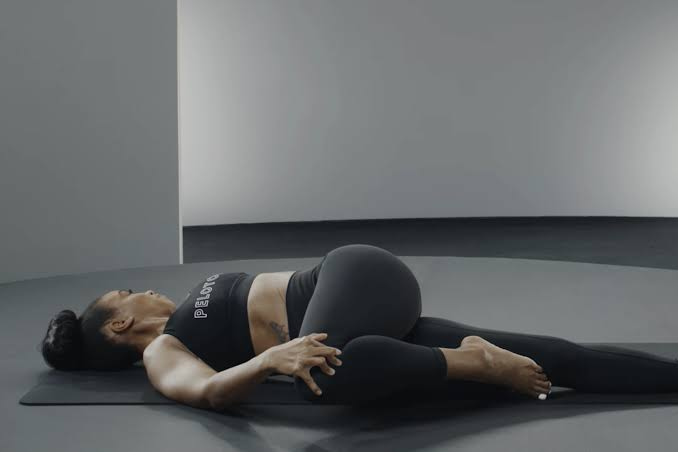
Gentle Yoga Practices to Support Mobility and Everyday Comfort
Gentle yoga offers a comfortable way to support mobility, flexibility, and ease of movement in everyday life. Long periods of sitting, repetitive activities, and busy routines can sometimes leave the body feeling stiff or tired. Through slow movements, controlled breathing, and mindful attention, gentle yoga encourages people to move at a comfortable pace while becoming more aware of their bodies. Exploring yoga365.online can help beginners understand how to build a simple practice that fits their needs.
Understanding Gentle Yoga for Daily Mobility
Gentle yoga focuses on accessible movements, comfortable postures, and gradual transitions rather than demanding physical challenges. It can be adapted to different experience levels and may include seated stretches, standing poses, and movements performed on a yoga mat.
Mobility refers to the ability to move joints and body parts comfortably through their available range of motion. Gentle movement can help maintain flexibility and body awareness, especially when combined with regular breaks from prolonged sitting. However, individual results vary, and yoga should be adapted to personal needs and physical limitations.
Beginners can start with a few simple movements and gradually become familiar with their body’s responses. Using a chair, cushion, or yoga block for support may make certain positions more comfortable and accessible.
Gentle Yoga Stretches for Everyday Comfort
Everyday activities provide useful opportunities to notice where the body feels tight or restricted. Gentle neck movements, shoulder rolls, and comfortable seated twists can help introduce movement after spending time at a desk. Move slowly and avoid pushing into positions that cause pain.
Standing stretches can also be incorporated into a daily routine. Reaching the arms overhead, gently shifting weight between the feet, or performing supported standing poses encourages awareness of posture and balance. These movements do not need to be complicated to become a meaningful part of personal wellness.
Consistency is often more practical than intensity. A short session that fits naturally into the day may be easier to maintain than an ambitious routine that feels difficult to follow.
The Importance of Breathing and Mindful Movement
Breathing helps connect movement with attention during yoga. Try breathing naturally while moving into and out of a comfortable stretch. There is no need to hold the breath or force it to become deeper than feels natural.
Paying attention to physical sensations can help you recognize when a movement feels comfortable and when it is time to ease back. This awareness encourages a more patient approach to exercise and reduces the temptation to rush through unfamiliar poses.
You can explore mindful movement for everyday comfort to discover ways of combining gentle stretches with breathing and body awareness.
Building a Sustainable Yoga Routine
A practical yoga routine should fit your schedule, available space, and comfort level. Some people prefer a few stretches in the morning, while others find a short session during an afternoon break more convenient. Choose a time that allows you to practice without feeling rushed.
Create a comfortable space with enough room to move safely. Wear clothing that allows easy movement, and use supportive props when needed. If you have an injury, ongoing pain, or a medical condition that affects movement, seek advice from a qualified healthcare professional before beginning a new routine.
During each session, focus on steady movement rather than achieving a particular pose. Stop if you experience pain, dizziness, or unusual discomfort, and consider guidance from a qualified yoga instructor when you need help adapting movements to your abilities.